

Home Stories

Community stories with practical takeaways

Stories on this page focus on Canada-based contexts: joining a first workshop, organizing a small learning circle, or finding a local initiative that fits a real schedule. Each piece is written to be usable—what someone tried, what went smoothly, and what they would change next time. No hype, no personal profiling, and no implied guarantees.

Edited for privacy and consent
Clear “what I’d do next” notes
Canada-focused examples
Story spotlight
Short, readable, and grounded in real logistics.
Participation notes
community learning centre group discussion
What makes a useful story?

Concrete steps, realistic constraints, and a take-away someone can try this week—without sharing personal details or implying outcomes.

Quick to scan
Context included

Recent stories

These are representative examples of the kinds of narratives the platform publishes. Names are abbreviated (first name + last initial) and details are edited to avoid sharing personal data. If you would like to propose a story for review, use the contact form and choose “General Question” with the subject “Story submission.”

online workshop laptop video call
Digital Skills Ontario (Canada)

Joining a first online workshop without overthinking it

Nina R. joined a beginner-friendly session after reading the event page twice—mainly to confirm time zone and participation format. What helped most was a short checklist: install the tool the day before, keep questions in one note, and treat the chat as a queue rather than a live debate. The organiser published a summary the next day, which made it easy to revisit the “key steps” section without replaying the whole session.

Takeaway: pick one small outcome (for example, “set up the tool”) and write down the next three actions while the session is fresh.
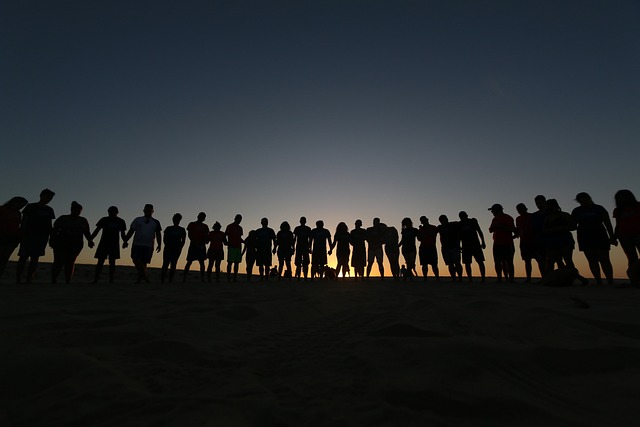

community volunteers outdoor initiative
Environmental Initiatives British Columbia (Canada)

A local clean-up that worked because the logistics were boring

A small volunteer team tried a simple change: treat the event page like a briefing, not a poster. The description listed meeting point, expected duration, accessibility notes, and what to bring. The organiser also added a clear cancellation note—“if you cannot attend, no explanation needed; just let us know”—which reduced last-minute stress. After the event, they posted a short summary with photos that did not identify individuals.

Takeaway: write the unglamorous details first—start time, end time, meeting point, and what happens if plans change.

small group book club discussion
Lifelong Learning Alberta (Canada)

Organizing a small learning circle with clear boundaries

Omar S. helped set up a local reading group by keeping the structure explicit: one topic per month, a short agenda, and a shared note for links. They borrowed moderation language from community guidelines—no personal data sharing, no aggressive promotion, and a simple way to flag issues. Instead of trying to “build a big group,” they prioritised predictable cadence and a welcoming first-time experience.

Takeaway: set cadence first (for example, first Tuesday monthly) and let attendance size stay flexible.

career workshop teamwork discussion
Career Development Manitoba (Canada)

A networking session that felt normal because the prompts were specific

A small event used a “prompt deck” approach: each discussion round had one concrete prompt and one optional follow-up. Participants shared tools, not personal details. The facilitator also made the “exit ramp” explicit—people could leave after any round without explanation. That simple piece of etiquette reduced pressure and made it easier for new participants to join.

Takeaway: publish the prompts on the event page so people can decide if the session style fits.

community project planning meeting
Community Leadership Nova Scotia (Canada)

Keeping an initiative on track with simple decision notes

A community group adopted a lightweight rule: every planning session ends with three lines—decision, owner, and date. It sounds minor, but it reduced confusion and helped new volunteers see the current state without digging through chat history. They stored notes as a short resource entry that linked back to the related events, keeping the information architecture consistent.

Takeaway: link decisions to the event where they were made so context stays intact.

How stories are reviewed and edited

Stories are written to be safe to publish and useful to read. That means we focus on actions and context rather than on personal details. If a story mentions a community session, we check that it aligns with the event metadata approach used across the platform: clear agenda, format (online or local), time zone reference, and a short note about accessibility.

We also apply a basic “consent and minimisation” lens. Details that could identify someone—specific workplace, unique circumstances, or unnecessary contact information—are removed. Where a story benefits from specifics, we keep them practical: what tool was used, what schedule cadence worked, how notes were shared, and what moderation language helped keep communication respectful.

If you want to contribute, you do not need to write a polished article. A short outline is enough: what you tried, what you learned, and what you would do next time. Our editorial review aims to keep the tone steady and non-promotional.

Privacy first

We remove identifying details and avoid publishing personal data. Stories are about participation patterns, not individuals.

Practical structure

Each story includes at least one concrete take-away and references clear community expectations.

Related sections

Stories connect to two other parts of the site: communities (where ongoing activity is organised) and resources (where reusable materials live). If you want the “how-to” version of what a story describes, start with resources.

Note: this website is not a government service, and stories are informational. Availability of communities and events can change; confirm details on the relevant page or by messaging the team.

Propose a story idea

Send a message

Use this form to propose a story, ask about participation, or request help finding a relevant community topic. We use your information to reply and keep a short record of the conversation for continuity. We do not sell personal data.

Response time
Typically within 1 business day.

By submitting, you agree to our Privacy Policy.